
Gríptu tækifærið, farðu út fyrir þægindarammann og kannaðu staðinn sem að Maradona byrjaði að sparka í bolta! Þar er tangó og fótbolti ástríða margra og landslagið er einfaldlega einstakt. Lærðu að dansa candombe, drekktu mate eða njóttu þín á fallegum ströndunum. Argentína og Úrúgvæ eru frábærir staðir fyrir spennandi námsdvöl erlendis. Kannaðu nútímalegar og líflegar borgirnar með frábærum söfnum, tónlist og leiklist og heillandi kaffihúsamenningu.
Culture
Language
Language in Argentina is primarily shaped by Spanish, which is the country’s official and dominant language. Argentine Spanish is distinctive for its pronunciation, vocabulary, and grammar, most notably the use of voseo, where vos replaces tú for informal “you.” The accent, especially in Buenos Aires and surrounding areas, reflects strong Italian influence due to large waves of immigration in the late 19th and early 20th centuries. In addition to Spanish, several indigenous languages such as Quechua, Guaraní, and Mapudungun are spoken in specific regions, and immigrant languages like Italian and German have also left a lasting cultural imprint.
Weather
Food
Religion
AFS High-school program
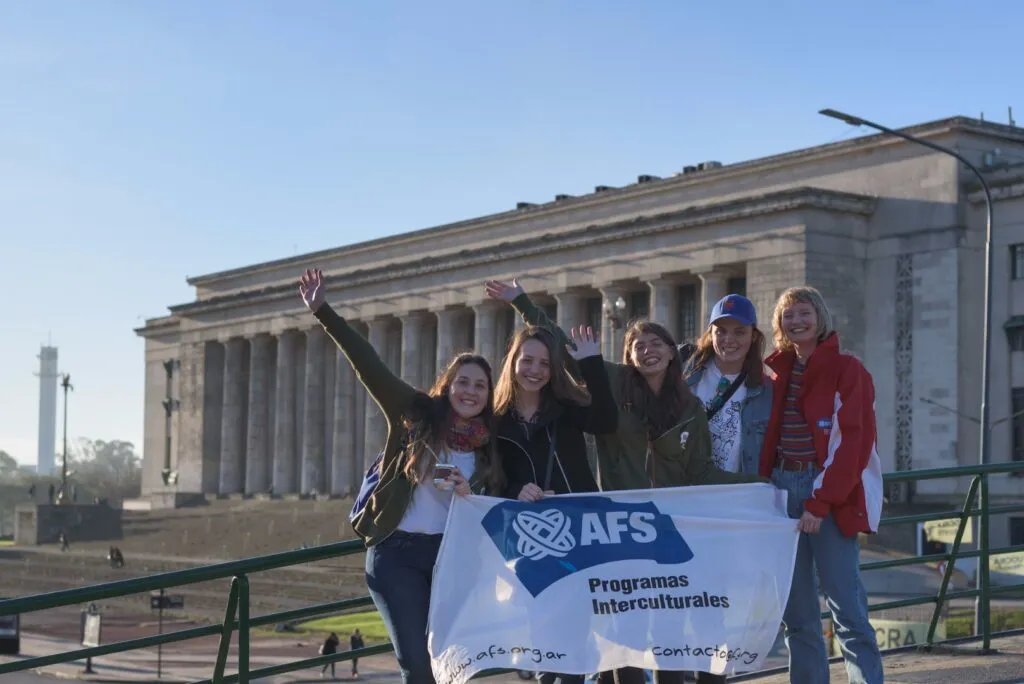
Students can be hosted in different parts of the country, from Tierra del Fuego to the northern regions. Local AFS Argentina local chapters operate mainly in small towns and suburbs of large cities, with some opportunities in rural areas.
Participants are encouraged to have a basic knowledge of Spanish upon their arrival. AFS students are typically enrolled in the eleventh or twelfth grade and study eleven subjects. The most common mandatory subjects are Spanish, math, biology, geography, and a foreign language.
Family
Family plays a very important role in Argentine society and culture. Argentine families tend to be close-knit, with strong emotional bonds and frequent gatherings, especially on weekends and holidays. Extended family members often remain involved in each other’s lives, and respect for parents and grandparents is highly valued. While modern lifestyles have influenced family structures, traditions such as shared meals, celebrations, and mutual support continue to be central to Argentine family life. Parents and children talk a lot and discuss opinions and plans. Parents want to know where their children are during the day and expect to get a fairly detailed explanation of it.
Argentina is a nation of immigrants and a considerable percentage of its population comes from many different places such as Italy, Spain, Germany, East Europe, Nordic countries, South East Asia, Middle East Asia, neighboring countries and many more.
School
AFS 18+ program
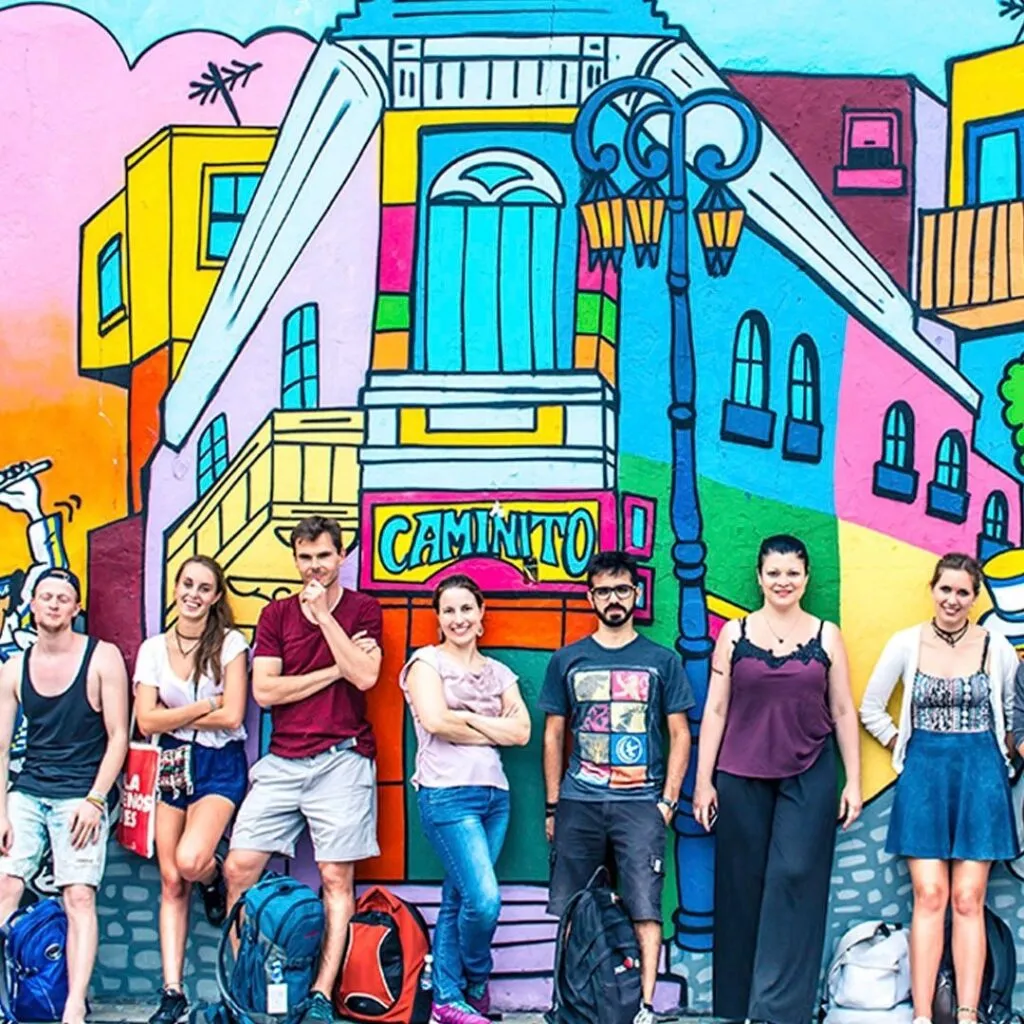
Participants taking part of this program will be enrolled as regular University students and will be able to take exams of the subjects and attend lessons regularly. A certification of the subjects taken and the exams may be provided by the University. In this program students will be hosted by a local family, who will show them the community and will open their household during the experience.
University
University education in Argentina is well known for its accessibility and strong public system. Universities typically provide a wide range of academic programs and are recognized for their emphasis on academic freedom and social inclusion. While programs can be demanding and require a high level of independence, higher education in Argentina plays a key role in professional development and social mobility.
Social life
Skoða skiptinám í Argentína og Úrúgvæ
Hálft ár í Argentínu eða Úrúgvæ
- LandArgentína og Úrúgvæ
- Lengd5 mánuðir
- Þátttökugjald2.090.000 kr - 2,090,000 kr.
- Dagsetningar
- feb 2026 - júl 2026
- ágú 2026 - jan 2027
- feb 2027 - júl 2027
Skólaár í Argentínu
- LandArgentína og Úrúgvæ
- Lengd10 mánuðir eða lengri
- Þátttökugjald2.450.000 kr.
- Dagsetningar
- feb 2026 - jan 2027
- ágú 2026 - júl 2027
- feb 2027 - jan 2028
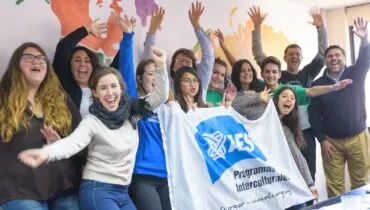
Gap Year Program School & University í Argentínu
- LandArgentína og Úrúgvæ
- Lengd12 mánuðir
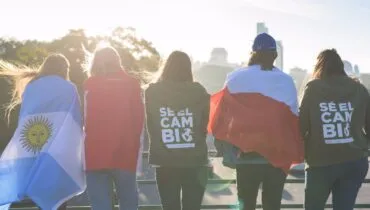
Háskóli í Argentínu – Universidad Nacional del Centro de la Provincia de Buenos Aires
- LandArgentína og Úrúgvæ
- Lengd5 mánuðir
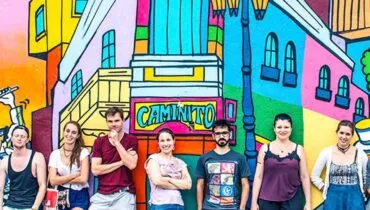
Spanish and Culture í Argentínu
- LandArgentína og Úrúgvæ
- Lengd1-4 vikur