
Finland is a country that stretches almost a third north of the Arctic Circle, yet it has a relatively mild climate considering the extreme latitudes of its territory. Its capital, Helsinki, is a true port city extending south with its own archipelago of islands in the Baltic Sea, and is known as ‘Stadi’ in local slang.
Finland is a Nordic welfare state that aims to be carbon neutral by 2035. It’s also said to be the happiest country in the world. Around 75% of its surface is covered with forests, and it has the world’s biggest archipelago, as well as Europe’s largest lake district and last untamed wilderness, Lapland.
Family
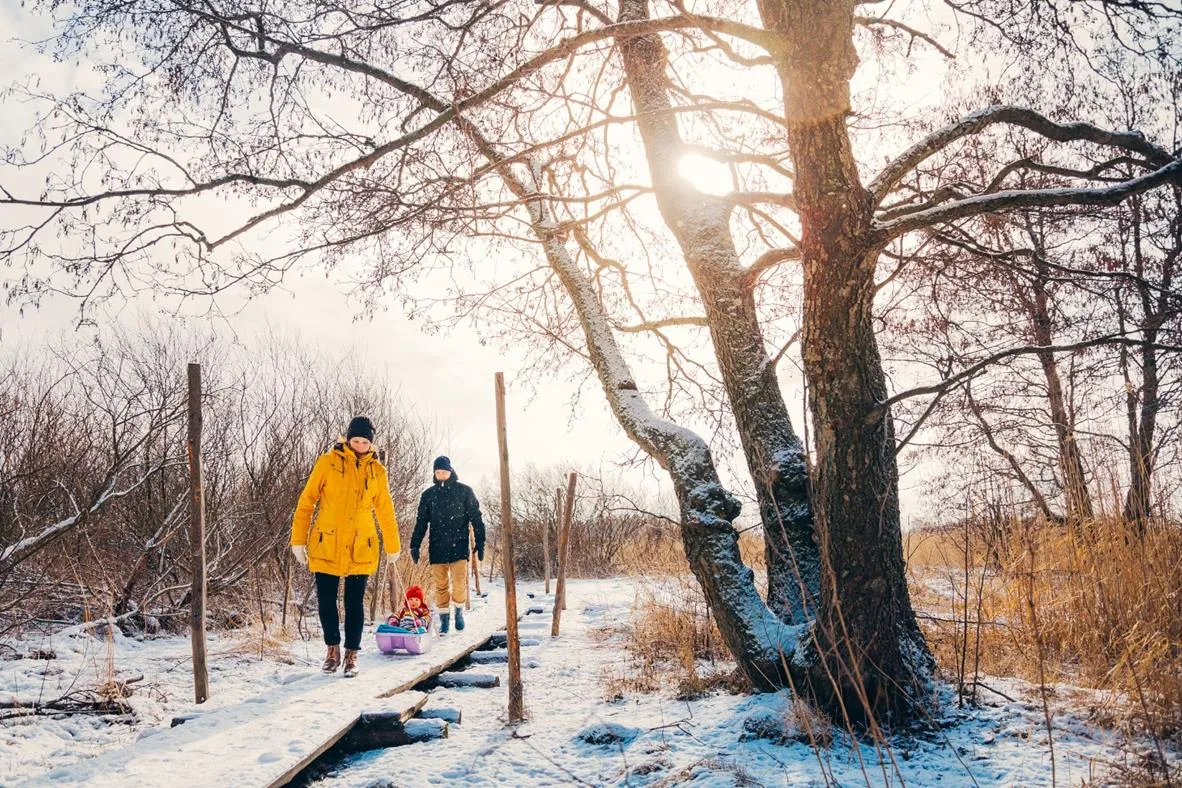
Host families with AFS are voluntarily hosting, come from all kinds of socio-economic backgrounds and can be very different from each other. Where they live can also vary; some of them live in cities, while others live in more rural or suburban areas.
Find out more
Finnish families tend to be open and independent. Usually, both parents work, and it is normal for children to manage their time independently. They cooperate in household chores and divide their time between homework, sports, and school-organised activities. Finns love nature and sports, and enjoy various activities in their free time to combine these two passions, such as skiing, skating and ice hockey in winter, and swimming, jogging and cycling in summer. Other popular leisure activities include football and pasäpallo (the Finnish version of baseball), as well as karaoke.
The sauna is one of the most characteristic features of Finnish culture and is present in almost every Finnish home, either as an indoor sauna or in a condominium. It is valued both as a social space for sharing time with family or friends and as a relaxing and detoxifying pastime. Sharing this time is considered very important.
School
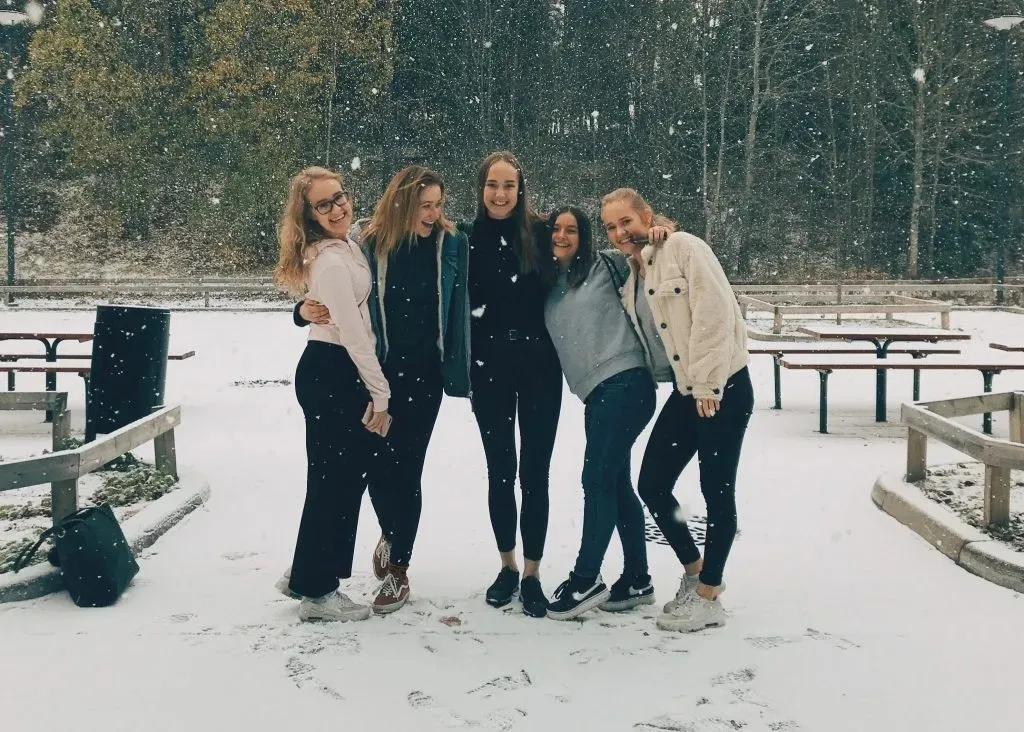
According to the OECD, the Finnish school system is one of the best in the world.
Find out more
School plays a key role in the AFS student experience and requires serious and consistent work, with compulsory classes in subjects such as maths, physics, biology, chemistry, history, Finnish, Swedish, art, psychology, foreign languages, computer science, geography and sports, all taught in Finnish. The school year begins in mid-August and ends in early June, with several weeks of vacation interspersed throughout the year. The school day usually starts at around 8:15am and finishes between 3pm and 4pm.
Culture
Language
Finland has two official languages: Finnish and Swedish. Finnish is the most widely spoken and belongs to the Finno-Ugric language family, making it quite different from most other European languages. Swedish is spoken as a native language by a small minority, mainly along the western and southern coasts. In addition, the indigenous Sámi languages are officially recognized in the northern regions. English is also widely spoken, especially among younger people and in urban areas.
Food
Weather
Religion
Skoða skiptinám í Finnland
Skiptinám í Finnlandi
- LandFinnland
- Lengd10 mánuðir eða lengri