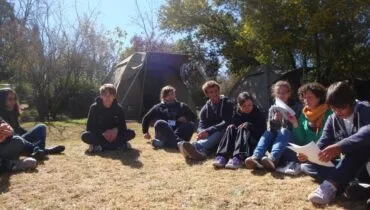
South Africa is a country waiting to be discovered. It is known as the ‘Rainbow Nation’ and its motto, ‘!ke e:!xarra :!ke’, means ‘unity in diversity’. At least thirteen ethnic groups and as many languages coexist here, although English is the most widespread.

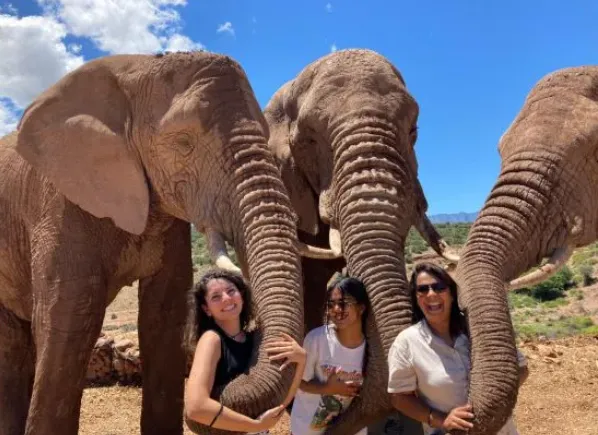
Fascinating landscapes and encounters with wilderness and wildlife can be found, especially in Kruger National Park, the oldest park in the world, and Pilanesberg National Park, which is located in the crater of an extinct volcano and surrounded by four circles of mountains.
 

Family

Host families come from all kinds of socio-economic backgrounds and can be very different from each other. Where they live can also vary; some of them live in cities, while others live in more rural or suburban areas.

South African families perfectly reflect the country’s diversity of origins, ethnicities and religions. Host families can be white or black, and of African, European or Indian descent. They can also follow many different religions.

Most host families speak English and Afrikaans.

Despite their differences, all families expect respect, obedience and cooperation with household chores. They pay close attention not only to the children, but also to the grandparents and other relatives who often live with them.

South African society is still rather conservative. Flashy clothes and heavy make-up should be avoided by girls, and respect for the various religions is essential, as many families are religious and do not view criticism or scepticism of atheism towards their faith favourably.

Mealtimes are a very important time for families to come together, and refusing to taste home-cooked dishes is considered very rude.

School

Despite considerable changes since the abolition of apartheid, the South African school system remains strongly influenced by Anglo-Saxon models, in terms of both organisation and academia.

Professors are quite strict and expect a formal relationship with students, who must demonstrate serious commitment to their studies and attend classes regularly. 

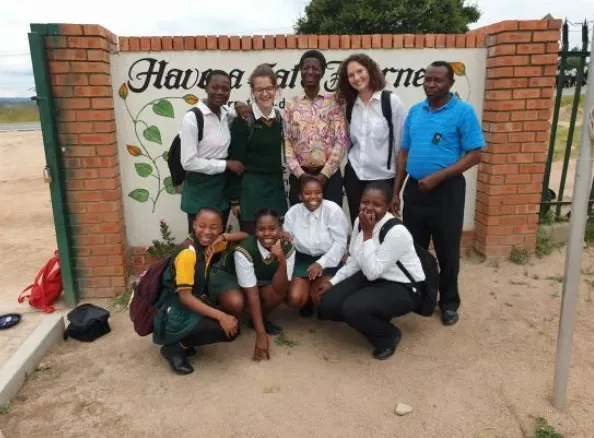
Students at colleges come from different ethnic backgrounds, and classes are taught in English. Most schools require students to wear uniforms, the cost of which is not included in the participation fee.

Foreign students are supported by their peers, who help them understand and adapt to the school environment.

Most schools organise extracurricular activities for students, including sports, music, photography, art, theatre and dance.

Culture

South Africa is a linguistically diverse country with 11 official languages, reflecting its rich cultural heritage. These include isiZulu, isiXhosa, Afrikaans, English, Sepedi, Setswana, Sesotho, Xitsonga, siSwati, Tshivenda, and isiNdebele. While English is widely used in government, business, and education, it is the home language of only a small portion of the population. Indigenous African languages like isiZulu and isiXhosa are spoken by millions and play a vital role in everyday communication and identity. This multilingualism is a core part of South Africa’s national identity and is protected and promoted by the country’s constitution.

Skoða skiptinám í Suður Afríka