South Korea has many surprises in store thanks to its heritage of a thousand-year-old culture strongly influenced by Confucianism, which emphasises respect and harmony in human relations.

Korea is renowned for its vibrant street fashion, street food, modern pop culture, beauty culture,

entertainment, martial arts and long-standing traditional culture. It is also noted for its superior

technology, which permeates every aspect of Korean society.

Family

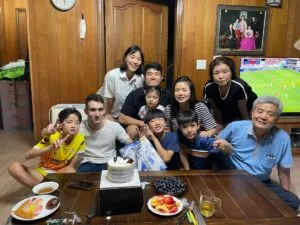
AFS runs a school residence programme that involves staying at the school (a boarding school), usually from Monday to Friday and sometimes until Saturday. During weekends and holidays, students are hosted by local families so they can experience Korean culture in a domestic setting. Students are hosted by host families who will make them part of their daily lives, helping them to settle in and involving them in various activities.

Korean host families usually comprise three to five members, including a father, mother and children. Sometimes grandparents may live with them, but this is less common than it used to be. Most host families live in flats or detached houses.

A typical day for a Korean family starts with everyone having breakfast together before going to work or school. As many Korean families have both parents working, there may be no one at home during the day. In the evening, however, the family usually eats dinner together and shares what happened during the day. For exchange students, this is the best way to learn the Korean language and culture. At weekends, the family and students may visit local or distant attractions in the country or other family members.

Meals are an important part of family life, and students will have the opportunity to enjoy a traditional Korean meal every day. They may also occasionally be invited to take part in religious functions and festivities, such as ancestral rites and Chuseok, the Korean Thanksgiving Day.

School

In Korea, higher education is highly valued, and most students diligently study in high school with the goal of entering university.

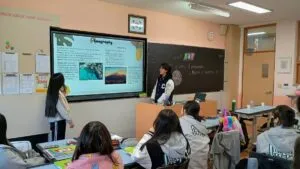
Each exchange student will be paired with a Korean student buddy in the same class who will help them to adapt to school life. This buddy system helps exchange students easily adjust to their new environment and improve their language skills through regular interaction with Korean peers.

A large part of the day is taken up by school, where students wear uniforms. AFS students are placed in Korean schools, where they are required to wear a uniform, the cost of which is not included in the participation fee. Students must follow the institution’s rules and actively participate in school life. In the mornings, students participate in school courses regulated by the school calendar and may be asked to share information about their home countries. In addition to traditional subjects, students can enroll in various activities, such as sports, debate and second language clubs.

In Korea, higher education is highly valued, and most students diligently study in high school with the goal of entering university. This has led to intense competition in university admissions, prompting students to exert rigorous efforts in areas such as grades, certifications, and volunteer activities to demonstrate excellence. Beyond school classes, it is common for students to receive private tutoring or attend special lectures at academies as part of the prevalent culture.

Culture

The official language is Korean, which shares many structural and grammatical features with Japanese, despite there being virtually no lexical similarities. This linguistic relationship is partly denied due to the difficult historical relations between the two nations. Korean also has a relationship with Chinese: almost half of Korean words originate from this language, particularly surnames.

Skoða skiptinám í Suður Kórea