Írland er land tákna og goðsagna, frá hinum heilaga fjögralaufasmára (iris éire) til búálfa (leprechaun), og svo ekki sé gleymt að minnast á hörpu Brian Boru – þjóðartákni írska lýðveldisins! Það er því ekki aðeins vegna grænna túna sem liggja um landið allt sem Írland fær gælunafnið „græna eyjan“, heldur einnig vegna þjóðsagna um hinn heilaga fjögralaufasmára, en þjóðtrú og töfrandi goðsagnir einkenna írskan menningararf.

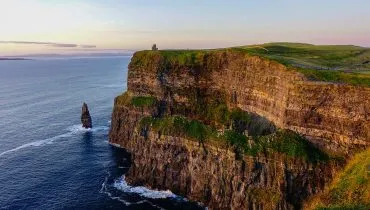
Írland býr yfir heillandi og fjölbreyttu landslagi. Grænar breiður þekja stóran hluta landsins og einkennist strandlengjan af áhrifum Atlantshafsins með bröttum klettum, hellum og fallegum sandströndum. Byggðarlög eru allt frá líflegum stórborgum líkt og Dublin og Cork niður í falleg sjávarþorp.

AFS starfrækir skiptinám á Írlandi í samstarfi við írsku félagasamtökin EIL sem starfa náið með AFS á alþjóðavísu. Ólíkt öðrum AFS samstarfslöndum fá fósturfjölskyldur á Írlandi endurgreiddan kostnað hýsingar. Prógrömm á Írlandi eru að öðru leyti sambærileg öðrum AFS prógrömmum og standast þau alla staðla og gæðakröfur AFS. Nánari upplýsingar um EIL.
Family

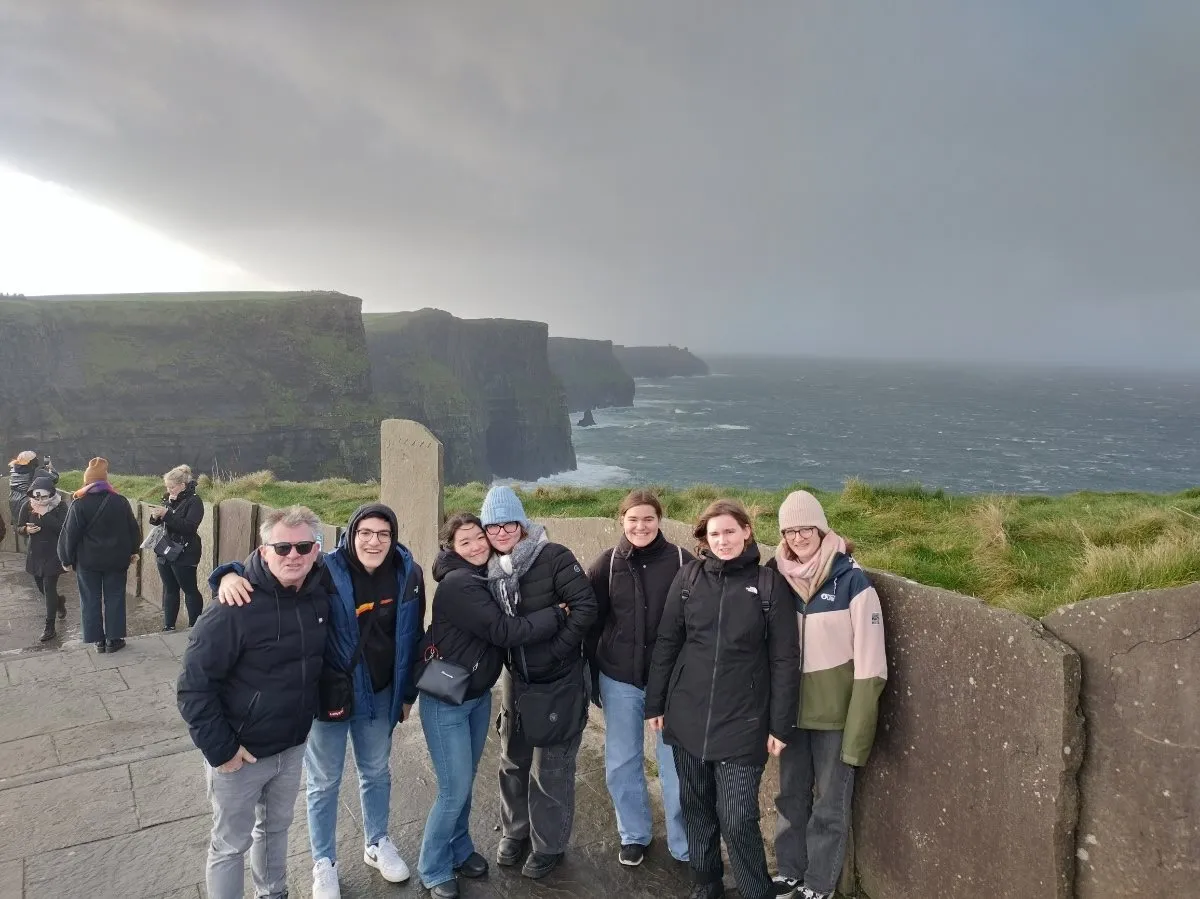
From Cork to Mayo and from Kerry to Meath, students will experience the most authentic Ireland by living in various rural regions of the Emerald Isle. In fact, most families live in rural areas or in small towns and suburbs.

In Ireland, host families participating in school or summer programmes receive financial support and therefore do not host completely free of charge. Additionally, many families prefer to host multiple students within the same household, often accommodating two or more foreign students of different nationalities at the same time.
Holidays such as Christmas, St. Patrick’s Day (17 March) and Easter are important times for families to get together, and are always spent at home.
While Irish teenagers usually rely heavily on their families, foreign students may enjoy greater autonomy, though always within the rules imposed by their host families.

School

Students are enrolled in an Irish ‘public school’, which is a publicly funded school run by local school boards or religious organisations.

While most schools are no longer run by religious people and do not involve any religious activities, they maintain a religious background in their general setting and charter. Often, these are single-sex schools.
Most schools require pupils to wear a uniform, the cost of which is not included in the participation fee (although sometimes it may be provided by the host family or teachers). Secondary school pupils are aged between 12 and 18, and foreign students are usually placed in the fifth year (aged 16–17), where attendance at a minimum of five courses (with a maximum of seven) is mandatory.
A typical school day runs from 9:15 a.m. to 3:45 p.m., with 40-minute classes and no lessons on Saturdays.
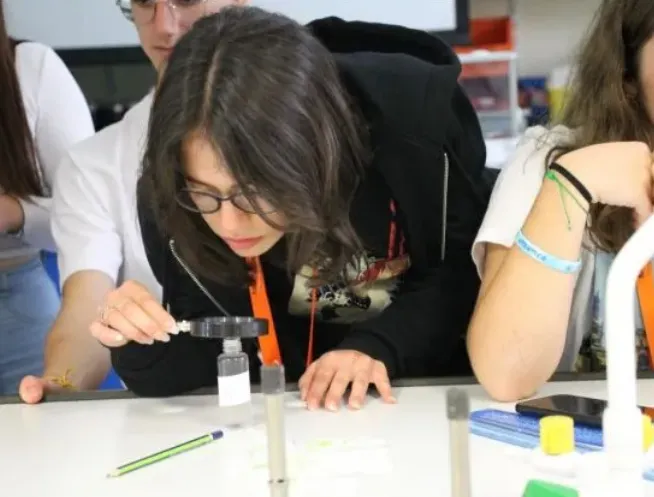
Schools sometimes organise free or low-cost extracurricular activities, mostly held after school hours and at weekends, to which foreign students are invited to encourage their integration into the local environment. They can practise a variety of sports or attend theatre, art or debate classes, or go on excursions.

Culture

The primary language spoken in Ireland is English, which is used in everyday life, education, and business. However, Irish (Gaeilge), a Celtic language, is also an official language and holds cultural and historical significance. While it is a mandatory subject in schools and used in certain government and media contexts, daily use of Irish is limited mostly to designated Gaeltacht regions in the west of the country. Efforts continue to promote and preserve the language as a vital part of Ireland’s heritage.

Skoða skiptinám í Írland