
Tunisia is home to the cosmopolitan capital city of Tunis, the ancient ruins of Carthage, the Muslim and Jewish quarters of Jerba, and coastal resorts outside of Monastir. Tunisia is known for its golden beaches, sunny weather, and unique blend of Arab and Berber cultures and influence. Tunisians enjoy celebrating hundreds of international film, theatre, and music festivals, nationally, regionally, and locally. The country is famous for beautiful pottery, ironwork, and mosaics. Tunisian people are generally relaxed and sociable, but also emphasize showing respect for one another, especially their elders. Conformity to a group and concern for its well-being are usually more important than individual needs in Tunisia.
Family
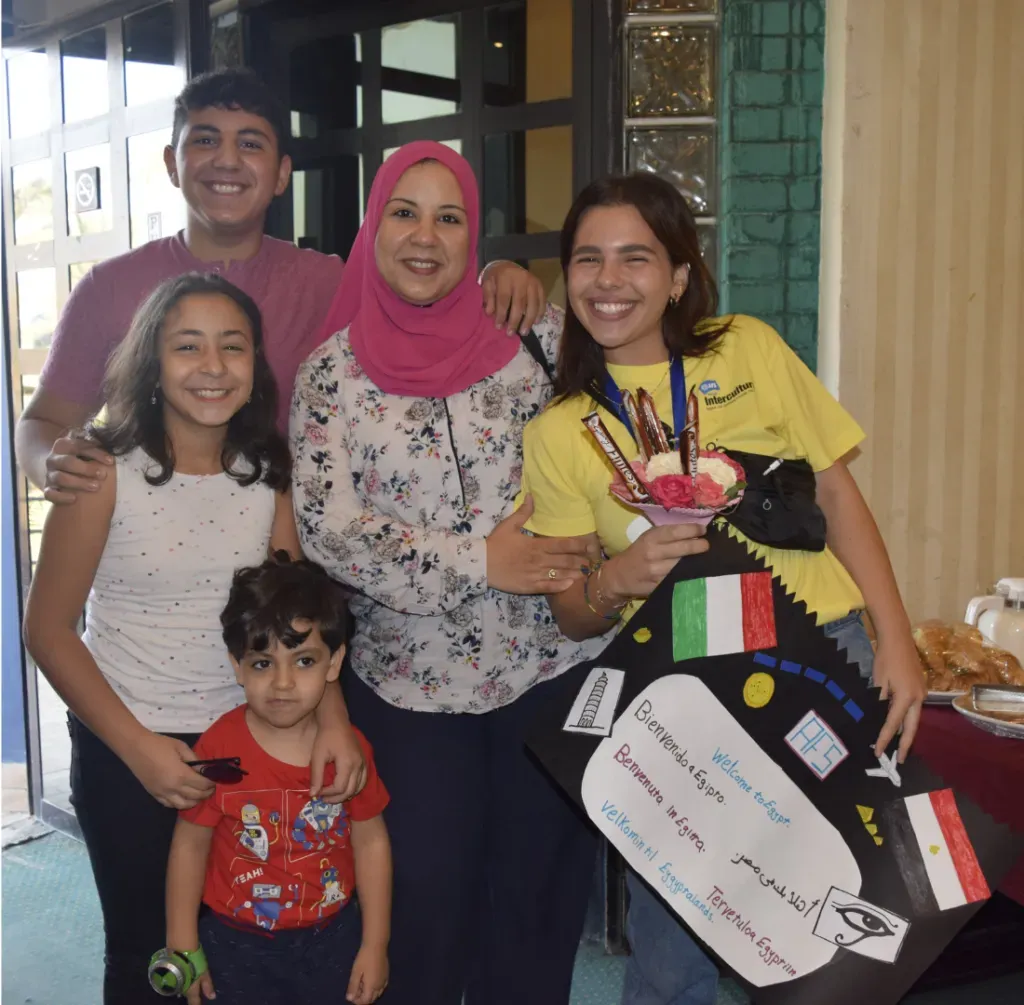
Host families with AFS are voluntarily hosting, come from all kinds of socio-economic backgrounds and can be very different from each other. Where they live can also vary; some of them live in cities, while others live in more rural or suburban areas.
Find out more
Family plays an important role in all social relations. Tunisia is a pioneer in women’s and children’s rights, with a strong presence of women at all institutional levels and in all economic sectors. However, Tunisian families tend to be patriarchal, traditional, and close-knit. Families typically consist of a father, mother, children, and grandparents. Tunisian parents have an average of two children in urban areas and five or six children in rural areas. Other relatives like aunts, uncles, and cousins may live in the same household or nearby. Grandparents often form close relationships with their grandchildren.
Soccer is the most popular sport in Tanzania, followed by basketball and handball. Generally, teenagers play outside in streets, parking lots, and yards. Many teenagers enroll in sports clubs for basketball and soccer. Many young people enjoy playing sports like volleyball and “beach ball” (played with rackets) on the beach. Listening to music, watching movies or television, going to the beach, and visiting friends and relatives are among the most popular activities for Tunisian teenagers. Teenage women in more urban areas may socialize at home or go out with friends to family cafes.
School
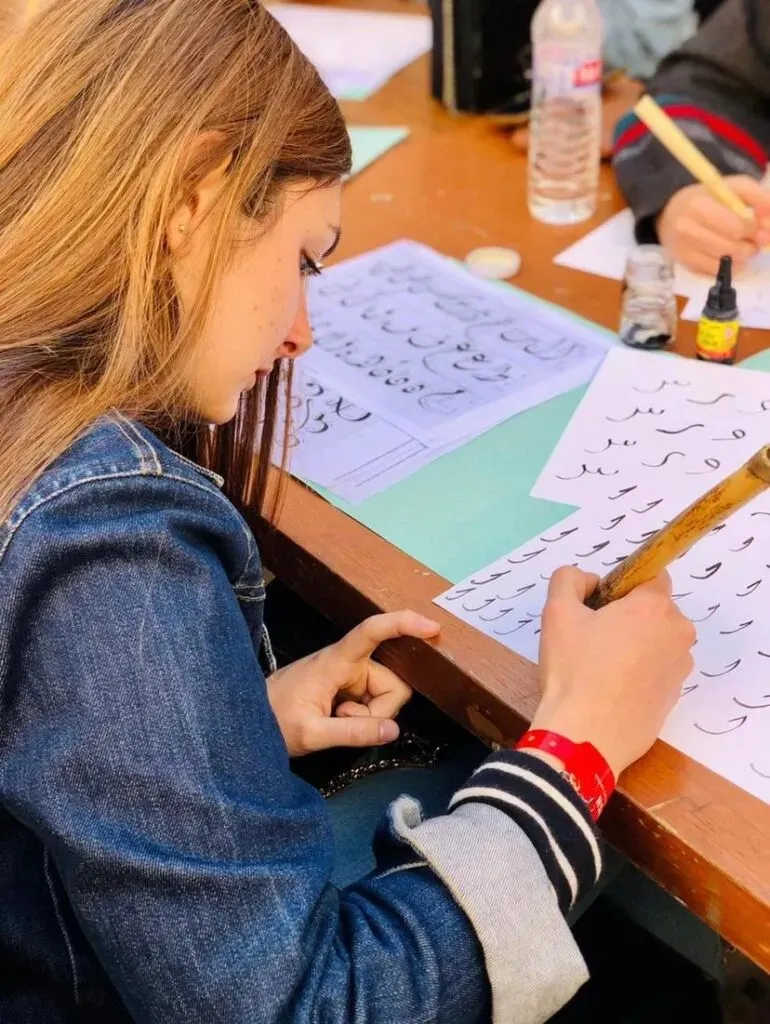
Depending on where the host family lives, AFS students may be placed in private or international schools.
Find out more
The academic year runs from September to June, with exams taking place in early June. The official language of instruction at the school is Arabic; French and English are introduced as foreign languages in the third year of school. From the 11th grade onwards, high school students can choose between Art/Literature, Math, Science, Technology, and Economics/Management.
Culture
Language
The official language of Tunisia is Arabic, specifically Tunisian Arabic (also called Derja), which includes many words borrowed from French, Italian, and Turkish. Modern Standard Arabic is used in formal settings, while French is widely spoken in business, education, and daily life due to Tunisia’s history as a French protectorate. English is increasingly taught in schools and spoken among younger generations, especially in urban areas.
Food
Religion
Weather
Skoða skiptinám í Túnis
Skiptinám í Túnis
- LandTúnis
- Lengd10 mánuðir eða lengri